
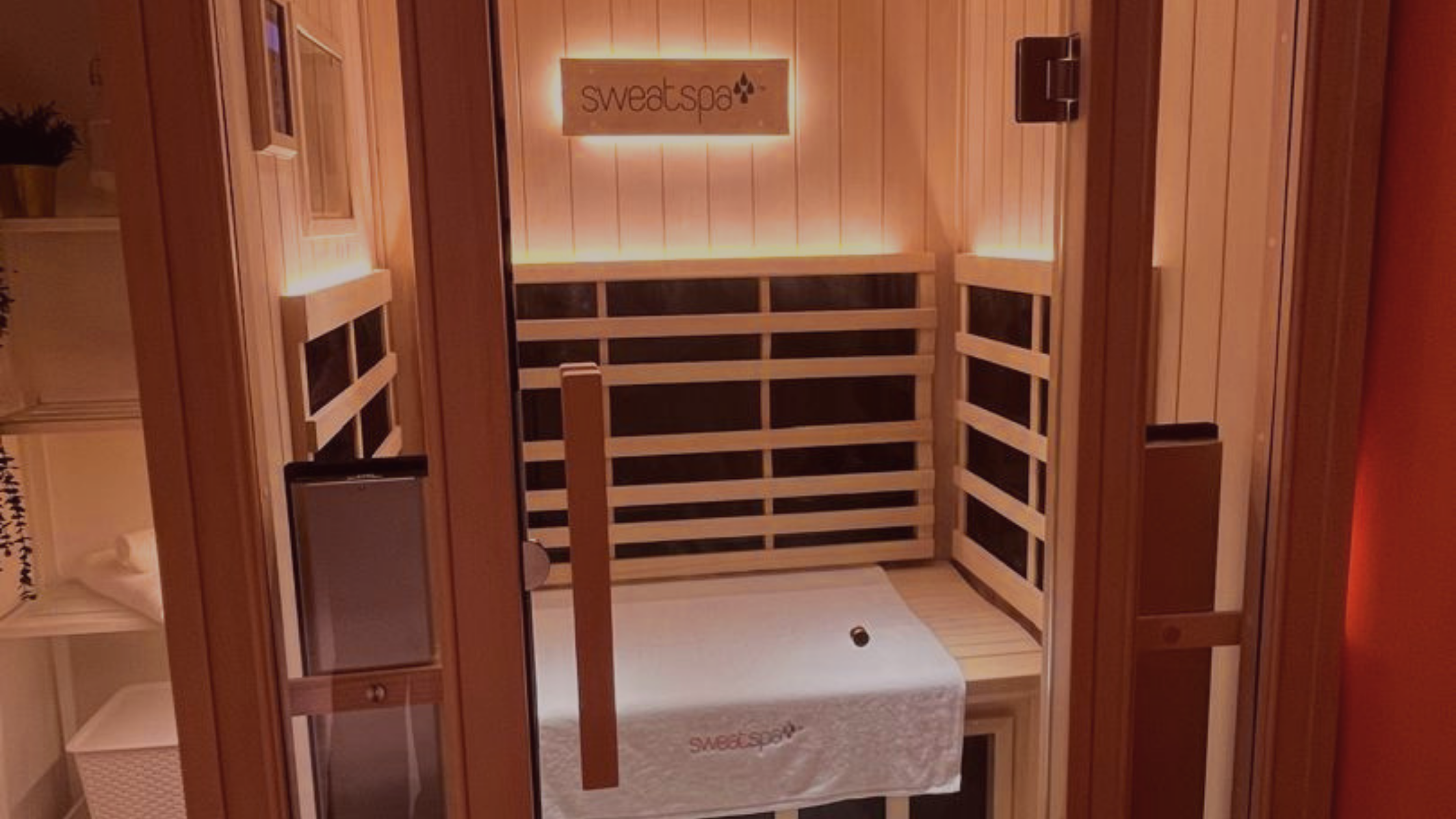
06 Aug Full Spectrum Infrared Sauna Benefits: NIR, MIR & FIR
There is a reason Full Spectrum Infrared Sauna Therapy has moved from niche wellness circles into mainstream health conversations. It is not a trend — it is physics meeting physiology, and the research behind it is genuinely compelling. Whether you are managing chronic stress in Kuala Lumpur’s relentless pace, chasing faster muscle recovery, or simply looking to invest in your long-term health, understanding exactly what happens inside a full spectrum infrared sauna will change how you approach your wellness routine.
Let’s break it down, wavelength by wavelength.
What Is Full Spectrum Infrared Sauna Therapy?
Full spectrum infrared sauna therapy uses three distinct bands of invisible light energy — Near-Infrared (NIR), Mid-Infrared (MIR), and Far-Infrared (FIR). These wavelengths emitted simultaneously inside a purpose-built cabin to heat body tissue directly and trigger a cascade of therapeutic responses. That last word, “simultaneously,” is what separates full spectrum from single-wavelength infrared saunas, which typically emit only far-infrared.
Here is where the science gets interesting. The electromagnetic spectrum runs from short, high-energy gamma rays all the way to long, low-energy radio waves. Infrared heat sits just beyond visible red light, between roughly 700 nanometres (nm) and 1,000 micrometres (µm). Within that infrared band, the three therapeutic wavelengths each occupy their own slice:
- Near-Infrared (NIR): approximately 700 nm to 1,400 nm
- Mid-Infrared (MIR): approximately 1,400 nm to 3,000 nm
- Far-Infrared (FIR): approximately 3,000 nm to 1,000 µm
Those wavelength differences are not just academic. They translate directly into penetration depth. NIR, with its shorter wavelength, reaches the skin and subcutaneous tissue at roughly 1–5 mm — exactly where collagen-producing cells live. MIR penetrates deeper at 5–10 mm, reaching soft tissue, muscles, and joints. FIR, with its long wavelength, is the deep driver: it penetrates up to 40–50 mm, warming internal tissue and elevating your core body temperature from within, according to research published in the Journal of Infrared, Millimeter, and Terahertz Waves.
Critically, infrared heat is non-ionising radiation as it carries no ultraviolet component. The World Health Organization confirms that infrared radiation does not damage DNA or cause the kind of tissue harm associated with UV exposure. You are not tanning or burning. You are absorbing therapeutic heat energy at a cellular level.
Combining all three wavelengths in a single session creates a whole-body effect that no single-wavelength sauna can replicate. NIR handles skin and surface tissue, MIR addresses muscles and joints, and FIR drives the deep cardiovascular and detoxification response — all at once. That is the core argument of this article, and every section below makes the case for it.
Full Spectrum Infrared vs Traditional Steam Sauna: Key Differences
Walk into a traditional Finnish steam sauna and you are stepping into 80–100°C of heated, humid air. Your body heats up because the surrounding air heats up. Walk into a full spectrum infrared sauna and the cabin air sits at a far more comfortable 55–65°C and your body heats just as deeply, because the infrared heat is heating your tissue directly rather than the air around you.
That mechanism difference matters enormously. Steam saunas heat from the outside in. Infrared saunas heat from the inside out.
One of the most cited differences is sweat composition. A study published in the Journal of Environmental and Public Health found that sweat induced by conventional heat contains roughly 95–97% water, while infrared-induced sweat contains a measurably higher proportion of toxins, heavy metals, and lipid-soluble compounds; estimated at up to 20% by some researchers because the deep infrared heat mobilises compounds stored in fat cells that surface-level sweating cannot reach.
The comfort advantage is real and practically relevant. In Malaysia’s already warm and humid climate, the idea of sitting in 95°C steam for therapeutic benefit is, frankly, an ordeal for many people. The lower ambient temperature of an infrared session means longer, more tolerable sessions which is precisely when the cumulative therapeutic effects compound. This is especially relevant for anyone with respiratory sensitivity to heavy steam or extreme heat; the dry, radiant warmth of an infrared cabin is far gentler on the airways.
The Science of Deep Detoxification
Detoxification is one of the most discussed and most misunderstood benefits of infrared sauna therapy. Let me be direct about what the science actually says.
The liver and kidneys are your body’s primary detoxification organs. Full stop. Infrared sauna does not replace them, and any wellness provider suggesting otherwise is overreaching. What the research does support is this: your skin is your body’s largest organ, and it functions as a genuine secondary elimination pathway — one that infrared sauna meaningfully amplifies.
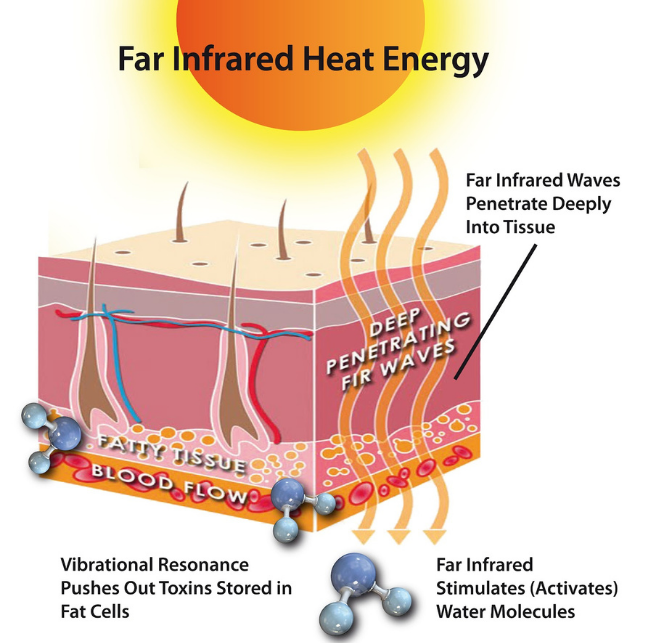
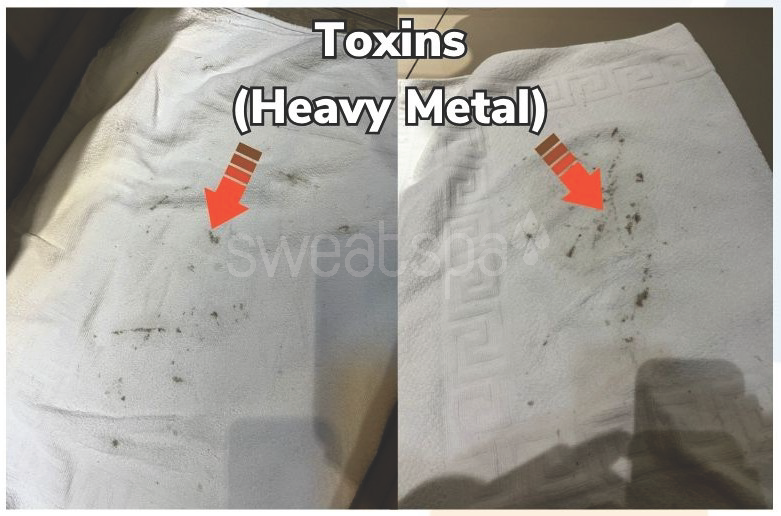
Here is the mechanism. FIR wavelengths cause vasodilation of peripheral blood vessels and stimulate the eccrine sweat glands at a cellular level. This process mobilises heavy metals — including mercury, lead, and cadmium as well as environmental pollutants such as phthalates, BPA, and PCBs that accumulate in adipose (fat) tissue over years of ordinary life. A peer-reviewed analysis in the Journal of Environmental and Public Health by Genuis et al. specifically identified heavy metals and organic compounds in infrared-induced sweat at concentrations exceeding those found in exercise-induced sweat, providing the clearest published evidence that infrared sweat is qualitatively different.
The specific toxins identified in that research include arsenic, cadmium, lead, and mercury — elements that bio-accumulate and are associated with neurological, renal, and cardiovascular harm with chronic low-level exposure. FIR’s deep penetration to the 40–50 mm range is the mechanism responsible, because it is deep enough to reach the adipose tissue where these lipid-soluble compounds are stored. NIR and MIR simply do not reach that depth.
The detox benefit is also cumulative. A single session mobilises some stored compounds, but weeks of consistent sessions: two to three per week — progressively reduce the body’s toxin burden in a way one session never can.
Most competing articles stop at “you sweat out toxins.” That is incomplete. The real story is about which toxins, where they are stored, and why FIR’s unique penetration depth is the mechanism that makes infrared detoxification meaningfully different from a hot shower.
Weight Management & Metabolic Benefits
A study by Biro et al. published in the Journal of the American Medical Association found that a 30-minute infrared sauna session can burn approximately 300–600 calories, driven by the body’s thermogenic response to elevated core temperature — an increase in heart rate and metabolic rate that closely mimics moderate cardiovascular exercise.
I want to be precise here, because this benefit is often oversold. The immediate weight loss you see on a scale after a session is largely fluid. Rehydration brings that back. The metabolic story is more interesting and more durable.
Regular infrared use supports fat metabolism through sustained elevation of basal metabolic rate and importantly, improved insulin sensitivity. A study in the Journal of Diabetes Science and Technology found that repeated far-infrared sauna sessions improved insulin sensitivity in participants with type 2 diabetes, suggesting a genuine mechanism for supporting healthy blood glucose regulation and, by extension, fat metabolism over time.
FIR and MIR wavelengths together improve microcirculation and nutrient delivery to adipose tissue, which supports the body’s own fat-burning processes. This is not a magic shortcut — it is a physiological assist. Infrared sauna is a complement to diet and exercise, not a replacement. Treated as part of a coherent wellness strategy, it is a meaningful addition to healthy body composition goals.
There is one more connection worth making here. Infrared sauna sessions reliably improve sleep quality. It is a downstream effect of reduced cortisol and parasympathetic nervous system activation. The link between poor sleep and weight gain is well-established in the literature; restorative sleep improves leptin and ghrelin regulation, the hormones governing appetite and satiety. Better sleep from regular sauna use indirectly supports healthy body composition, a connection we will return to in the next section.
Stress Relief, Cortisol Reduction & Mental Clarity
Most people who walk out of an infrared sauna session describe a feeling of calm that is almost medicinal. That is not imagination — it is neurochemistry.
Here is the mechanism. Infrared heat activates the parasympathetic nervous system, the “rest and digest” branch that counteracts the chronic sympathetic overdrive “fight or flight” that underlies modern stress. When your parasympathetic system takes over, heart rate and blood pressure drop, muscle tension decreases, and the brain shifts out of alert mode.
At the same time, your body releases beta-endorphins and serotonin in response to heat exposure. A study published in Psychosomatic Medicine demonstrated that whole-body hyperthermia — the deliberate elevation of core body temperature. It produces significant reductions in self-reported anxiety and measurable drops in plasma cortisol. Cortisol, your primary stress hormone, is directly suppressed by the parasympathetic activation infrared heat triggers.
There is also a cellular-level story. Infrared exposure triggers the production of heat shock proteins (HSPs), molecular chaperones that protect neurons from oxidative stress and support cognitive function. HSPs essentially act as cellular repair crews, stabilising proteins that would otherwise be damaged by inflammation or stress — and the brain is one of the primary beneficiaries.
The long-term mental health angle is where the research becomes striking. A landmark cohort study by Laukkanen et al., published in JAMA Internal Medicine in 2018, followed over 2,000 Finnish men across 20 years and found that those who used a sauna four to seven times per week had a 66% lower risk of developing dementia and a 65% lower risk of Alzheimer’s disease compared to once-weekly users.
For anyone living and working in the Klang Valley — with its commuter traffic, deadline culture, and always-on work expectations, infrared sauna is not a luxury. It is a structured, evidence-backed decompression tool. Two to three sessions per week is enough to start noticing the shift in baseline cortisol and sleep quality within four to six weeks.
Cardiovascular Health & Circulation
Think of a 45-minute infrared sauna session as a cardiovascular training stimulus in a cabin. That is not hyperbole — it is what the physiology shows.
FIR wavelengths, penetrating deepest into the body, drive the greatest elevation of core temperature. This triggers vasodilation: blood vessels expand, peripheral resistance drops, and cardiac output increases to compensate. Blood pressure decreases temporarily while the heart works harder to pump an increased volume of blood to the skin’s surface for cooling. The physiological signature looks remarkably similar to moderate aerobic exercise.
The clinical evidence is substantial. The Laukkanen et al. cohort studies; the same Finnish research group that linked sauna use to reduced dementia risk — published findings in JAMA Internal Medicine in 2018 showing that men who used a sauna four to seven times per week had a 50% lower risk of fatal cardiovascular events compared to once-weekly users. The dose-response relationship was clear: more frequent sauna use correlated with progressively greater cardiovascular protection.
Improved microcirculation; the blood flow through capillaries and small vessels — benefits the extremities directly, improves tissue oxygenation throughout the body, and supports faster recovery from physical exertion. This bridges naturally into the muscle recovery discussion below.
One responsible note: if you have a pre-existing heart condition, consult your physician before starting infrared sauna therapy. The cardiovascular stimulus is real, and for most healthy adults it is beneficial but medical supervision is appropriate for anyone with diagnosed cardiac disease, uncontrolled hypertension, or a history of arrhythmia.
Muscle Recovery, Pain Relief & Anti-Inflammation
Here is where MIR wavelengths earn their keep. Penetrating 5–10 mm into soft tissue, joints, and muscles, mid-infrared is the wavelength most directly relevant to pain relief and recovery and it is the one most often underrepresented in single-wavelength FIR-only saunas.
MIR exposure reduces inflammatory cytokine activity — the chemical signalling molecules that perpetuate inflammation in injured or overworked tissue. It also accelerates the clearance of lactic acid from muscles post-exercise, which shortens the window of delayed onset muscle soreness (DOMS). Increased local circulation delivers oxygen and nutrients to damaged muscle fibres, actively supporting repair rather than simply waiting for passive recovery.
The clinical evidence for infrared therapy in chronic pain conditions is credible. NASA research in the 1990s explored NIR’s role in tissue repair for astronauts in microgravity, establishing NIR’s capacity to stimulate cellular mitochondrial activity and accelerate healing. Studies on fibromyalgia — a condition characterised by widespread musculoskeletal pain have shown meaningful reductions in pain scores and fatigue following a course of far-infrared sauna therapy, including a trial published in Internal Medicine that reported significant improvement in symptoms after ten infrared sessions.
For arthritis and lower back pain, the anti-inflammatory and circulation-improving effects of MIR and FIR combined create a two-pronged benefit: reducing the inflammatory load in affected joints while improving blood flow to surrounding tissue.
Most competing articles focus exclusively on athletic recovery, but I think the more underserved audience is the office worker. If you sit at a desk for eight to ten hours a day, you accumulate postural tension in the cervical spine, lumbar region, and hip flexors. That chronic low-grade muscle tension and circulatory stagnation responds extraordinarily well to infrared therapy, not because it cures a structural problem, but because it reliably reduces the inflammatory and circulatory component of that pain cycle. Regular infrared sessions give your body a physiological reset that stretching alone cannot fully deliver.
Skin Health & Collagen Stimulation
This is NIR’s moment. At penetration depths of 1–5 mm, near-infrared sits squarely in the dermis — the layer where fibroblast cells produce collagen and elastin, the structural proteins responsible for skin firmness, elasticity, and a youthful appearance.
NIR directly stimulates fibroblast activity. More active fibroblasts mean more collagen synthesis, which translates into visibly firmer, smoother skin over consistent weeks of use. A study published in Photomedicine and Laser Surgery confirmed that near-infrared irradiation significantly increased collagen and elastin production in skin tissue, with visible improvements in fine lines and skin texture after a course of treatment.
The circulation improvement from the broader infrared session compounds this. When blood flow to the dermis increases, skin cells receive more oxygen and nutrients; improving tone, radiance, and the speed at which the skin repairs itself after damage. For acne-prone skin, the anti-inflammatory effect of infrared exposure helps calm the cytokine activity that drives breakout cycles.
It is worth noting the relationship between NIR and red light therapy (RLT), which operates on an overlapping wavelength range in the 600–1,000 nm band. Both modalities share the mechanism of photobiomodulation — using specific light wavelengths to stimulate cellular energy production and repair. sweatspa offers both full spectrum infrared sauna and red light therapy, and for skin health specifically, the two modalities complement each other: infrared provides the deep circulatory foundation while targeted red light therapy amplifies collagen stimulation and surface-level repair.
For the women’s wellness audience particularly, skin health represents one of the most visible, motivating outcomes of a consistent infrared practice and NIR is the wavelength that delivers it directly.
Immune System Support & Additional Metabolic Benefits
Your immune system responds to elevated body temperature the way it responds to an actual infection. That is not a side effect, it is a feature.
When infrared heat raises core body temperature by 1–2°C, it triggers the same immune cascade as a fever: increased production of white blood cells, activation of natural killer (NK) cells, and heightened immune surveillance against pathogens and abnormal cells. The body does not distinguish between a microbial fever and a heat-induced one at the cellular level — the response is functionally identical.
Heat shock proteins (HSPs) play a dual role here. As mentioned in the stress section, they protect neurons but they also function as immune modulators. HSPs signal the immune system to ramp up cellular stress responses, essentially priming your immune defences without requiring an actual pathogen to do it. Research published in Cell Stress & Chaperones has characterised HSPs as “damage-associated molecular patterns” that activate innate immune surveillance pathways.
FIR-induced vasodilation also improves lymphatic circulation. The lymphatic system, which runs parallel to the cardiovascular system, is responsible for clearing cellular debris, pathogens, and metabolic waste from tissues. Unlike blood, lymph has no pump; it moves through the action of surrounding muscles and, importantly, vasodilation and microcirculatory activity. Regular infrared sessions keep lymph moving efficiently, supporting immune function at a systemic level.
Beyond immunity, the metabolic benefits extend further than weight management. Mitochondrial efficiency improves with infrared exposure. A studies show NIR wavelengths in particular stimulate cytochrome c oxidase in the mitochondrial respiratory chain, increasing ATP production in cells. Blood glucose regulation improves with repeated FIR sessions, and systemic inflammatory markers including C-reactive protein (CRP) and interleukin-6 (IL-6) — both associated with cardiovascular and metabolic disease risk; decrease with regular use, according to research in the Journal of Human Hypertension.
The overarching frame here is preventative health. Regular infrared sessions are a proactive investment in long-term wellness — addressing inflammation, metabolic risk, and immune function before they become medical problems.
Who Should (and Shouldn’t) Use Full Spectrum Infrared Sauna
Full spectrum infrared sauna suits a wide range of people. The ideal candidates include anyone managing chronic stress, recovering from exercise or injury, seeking detox support, working toward weight management goals, or prioritising cardiovascular and skin health. It is also well-suited to sedentary office workers dealing with postural tension and low-grade musculoskeletal discomfort — a group that often overlooks recovery modalities aimed at athletes.
That said, there are genuine contraindications, and I would rather be direct about them than hedge.
Do not use infrared sauna if you are:
- Pregnant (elevated core temperature carries documented fetal risk in the first trimester)
- Currently experiencing an active fever — adding external heat to an already elevated core temperature is counterproductive
- Living with severe or unstable cardiovascular conditions
- Recovering from recent surgery, particularly anything involving implants or open wounds
- Using a pacemaker or implanted cardiac device (electromagnetic output from some emitters may interfere)
- Taking medications that impair the body’s ability to regulate heat, including some antipsychotics, anticholinergics, and diuretics
Always consult your physician before beginning infrared sauna therapy if you have any underlying health condition. This is not defensive box-ticking; it is good medicine.
For first-time users, start with 30–40 minute sessions at the lower end of the temperature range (55–58°C) and build gradually. Your body needs a few sessions to adapt to the heat stimulus before longer or hotter sessions are appropriate.
A note for Malaysian readers: A common question I hear is whether adding more heat exposure is safe when you already live in a hot, humid climate. The answer is yes — and here is why. Physiologically, your body adapts to chronic low-grade heat (ambient outdoor temperatures) differently from the acute, controlled heat stimulus of an infrared session. The infrared cabin’s lower air temperature (compared to steam sauna) keeps the experience manageable, and the controlled environment means you can exit the moment you feel any discomfort. Staying well-hydrated before and after is the primary precaution, regardless of your climate.
How to Maximise Your Infrared Sauna Session
Vague guidance like “use it regularly” does not help anyone build a sustainable practice. Here are specific protocols for every level.
Before your session:
- Drink 500 ml to 1 L of water in the hour before. Dehydration blunts the therapeutic sweating response and raises the risk of heat-related discomfort.
- Avoid heavy meals in the 1–2 hours prior. Digestion diverts blood flow to the gut; you want it available for peripheral circulation and sweating.
- Remove makeup, sunscreen, body lotions, and topical products. Clean skin sweats more freely and reduces the re-absorption of product residue during your session.
During the session:
- Beginners: start at 55–58°C for 30–40 minutes. This is the effective therapeutic range without overwhelming a first-time cardiovascular response.
- Intermediate users (after 6–8 sessions): 55–60°C for 30–40 minutes.
- Regular users: up to 65°C for 40–45 minutes.
- Lying down is the optimal position for full-body exposure — it maximises the surface area exposed to the emitters, especially the FIR panels. If lying is not possible, face the primary emitter panels directly.
- Bring water into the cabin and sip throughout.
After your session:
- Rehydrate immediately with water or an electrolyte drink. Coconut water is a practical, natural option in Malaysia — it replaces sodium, potassium, and magnesium lost through sweat.
- Allow your body to cool naturally for 10–15 minutes before showering. The cool-down phase extends the circulatory and metabolic response.
- Avoid alcohol post-session. Your blood vessels are dilated, your heart rate is elevated, and alcohol compounds dehydration significantly.
Frequency guidance:
- General wellness and stress management: 2–3 sessions per week
- Active recovery and athletic training support: 3–4 sessions per week
- Chronic pain management or intensive detox protocols: 4–5 sessions per week, ideally with a healthcare provider’s oversight
- Realistic timeline for results: Most users report noticeable improvements in sleep quality, muscle tension, and energy within 4–6 weeks of consistent use. Skin changes typically become visible at 6–8 weeks.
The cumulative nature of infrared therapy rewards consistency more than intensity. Two sessions a week for three months outperforms five sessions a week for two weeks and then stopping.
Choosing a Full Spectrum Infrared Sauna Centre in Malaysia
Not all infrared saunas are the same and in Malaysia’s growing wellness market, the term “full spectrum” is sometimes applied loosely to saunas that emit predominantly far-infrared with minimal NIR or MIR output. Here is what to look for before you book.
Genuine full spectrum technology: Ask explicitly whether the centre’s emitters deliver all three wavelengths — NIR, MIR, and FIR. Request documentation if needed. A centre that cannot or will not answer this question clearly is one to approach cautiously.
Low-EMF, certified emitters: Infrared emitters produce some electromagnetic field output. Medical-grade, low-EMF certified emitters keep this well below international safety thresholds. Look for equipment certified to standards such as those set by Underwriters Laboratories (UL) or equivalent bodies.
Non-toxic materials: The cabin itself should be built with non-toxic wood species typically Canadian hemlock, basswood, or cedar and non-off-gassing interior materials. At therapeutic temperatures, cheaper composite or treated wood panels can release volatile organic compounds (VOCs) into the cabin air. Not what you want to be breathing during a detox session.
Private suites: Shared infrared saunas introduce hygiene variables that a private suite eliminates entirely. Beyond hygiene, privacy enables a consistent, uninterrupted therapeutic environment — particularly relevant for the stress relief and mental clarity benefits, which require genuine relaxation.
Equipment maintenance and upgrade cycles: Infrared emitters degrade over time. Wavelength output from poorly maintained or aged emitters drifts from specification, reducing therapeutic efficacy. Ask how often the centre services its equipment and when emitters were last replaced.
Trial transparency: A trustworthy operator offers a straightforward entry-level experience with clear pricing and no pressure to commit to expensive packages on your first visit. Knowledge of the technology from staff is a strong signal of operational quality.
sweatspa ticks every one of these boxes. Operating across the Klang Valley with studios at Centrepoint Bandar Utama, Solaris Mont Kiara, Plaza Arkadia, Great Eastern Mall, and Bukit Jalil City — plus a Seberang Jaya Penang location, sweatspa uses genuine full spectrum infrared technology with all three wavelengths, low-EMF certified emitters, non-toxic cedar cabins, and fully private suites. The trial offer starts at RM78 (solo) or RM128 (duo), giving you a full session at therapeutic temperature with no obligation to commit further. For anyone in the Klang Valley or Penang who wants to experience full spectrum infrared sauna therapy properly, that trial is the lowest-barrier, most honest way to start. Click >>Here<< to book your session today!
Frequently Asked Questions
What is a full spectrum infrared sauna and how does it work?
A full spectrum infrared sauna uses three infrared wavelengths — Near-Infrared (NIR), Mid-Infrared (MIR), and Far-Infrared (FIR) — to penetrate body tissue at different depths. Unlike traditional saunas that heat surrounding air, infrared light directly heats your body from within, triggering therapeutic sweating, improved circulation, and cellular repair at a comfortable ambient temperature of 45–65°C.
What is the difference between near-infrared, mid-infrared, and far-infrared wavelengths?
NIR operates at shorter wavelengths and targets the skin layer, stimulating collagen production and surface tissue repair. MIR penetrates deeper into soft tissue and joints, making it most effective for pain relief and muscle recovery. FIR reaches the deepest — up to 40–50 mm — elevating core body temperature and driving the strongest detox and cardiovascular response.
What makes full spectrum infrared sauna more effective than a single-wavelength sauna?
Single-wavelength saunas — most commonly far-infrared only — address one layer of the body. Full spectrum saunas simultaneously deliver NIR’s skin and collagen benefits, MIR’s muscle and joint relief, and FIR’s deep detox and cardiovascular effects in one session. The combined action addresses multiple health goals at once rather than trading off benefits.
Does infrared sauna actually help with detoxification, or is it a myth?
The detox benefit is real but often oversimplified. Research shows that infrared-induced sweat contains higher concentrations of heavy metals and environmental toxins than sweat from exercise alone — because FIR’s deep heat mobilises lipid-soluble toxins stored in fat cells. The liver and kidneys remain your primary detox organs, but infrared sauna meaningfully amplifies the skin’s role as a secondary elimination pathway.
Can infrared sauna sessions help with weight loss or fat burning?
Yes, with realistic expectations. A 30-minute infrared session can elevate heart rate and metabolic rate enough to burn approximately 300–600 calories. Regular use also supports fat metabolism through improved insulin sensitivity and circulation. Infrared sauna works best as a complement to diet and exercise — not a standalone weight loss solution.
How does infrared sauna reduce stress and improve mental health?
Infrared heat activates the parasympathetic nervous system, shifting the body out of stress-response mode. This lowers cortisol levels while boosting endorphins and serotonin — the neurochemical basis for post-session calm. Long-term, regular sauna use has been linked in published research to reduced risk of depression and even dementia.
Is infrared sauna safe for everyday use in Malaysia’s climate?
Yes. Because infrared saunas operate at lower ambient temperatures (45–65°C) than traditional steam saunas, they are well-tolerated even in Malaysia’s warm and humid environment. The key is staying well-hydrated before, during, and after each session. Beginners should start with 20–30 minute sessions and build up gradually.
How many sessions per week do I need to see results?
For general wellness and stress relief, 2–3 sessions per week is effective. For active recovery, chronic pain management, or more intensive detox goals, 4–5 sessions per week can be appropriate. Most users notice meaningful results — improved sleep, reduced muscle tension, clearer skin — after 4–6 weeks of consistent use.
Are there any side effects or contraindications I should know about?
Infrared sauna is safe for most healthy adults. It is not recommended during pregnancy, active fever, or for those with severe cardiovascular conditions, pacemakers, or recent surgical procedures. Some medications impair heat tolerance. If you have any underlying health condition, consult your doctor before your first session.
What should I do before and after an infrared sauna session?
Before: drink 500 ml to 1 L of water, avoid heavy meals in the 1–2 hours prior, and shower to clear topical products from your skin. After: rehydrate immediately with water or an electrolyte drink, let your body cool naturally before showering, and avoid alcohol. Consistency across sessions amplifies the cumulative health benefits over time.
How deep does infrared heat actually penetrate the body?
Penetration depth depends on the wavelength. NIR penetrates approximately 1–5 mm, reaching the skin and subcutaneous tissue. MIR reaches 5–10 mm, targeting muscles, joints, and soft tissue. FIR penetrates the deepest at up to 40–50 mm, heating internal tissue and triggering the body’s most systemic therapeutic responses.
What should I look for when choosing an infrared sauna centre in Malaysia?
Look for centres that use genuine full spectrum technology — all three wavelengths, not just far-infrared — with low-EMF, certified emitters and non-toxic materials. Private suites signal better hygiene standards and a more consistent therapeutic environment. Ask about equipment maintenance and upgrade cycles. A transparent trial offer with no hard upsells is a good sign of a trustworthy operator.
Sources
- Genuis SJ, Birkholz D, Rodushkin I, Beesoon S. “Blood, Urine, and Sweat (BUS) Study: Monitoring and Elimination of Bioaccumulated Toxic Elements.” Journal of Environmental and Public Health, 2011. https://www.ncbi.nlm.nih.gov/pmc/articles/PMC3312275/
- World Health Organization. “Infrared Radiation — Questions and Answers.” WHO, 2026. https://www.who.int/news-room/questions-and-answers/item/radiation-infrared-radiation
- Laukkanen JA, Laukkanen T, Kunutsor SK. “Cardiovascular and Other Health Benefits of Sauna Bathing: A Review of the Evidence.” Mayo Clinic Proceedings, 2018. https://jamanetwork.com/journals/jamainternalmedicine/fullarticle/2531991
- Laukkanen T, Kunutsor S, Kauhanen J, Laukkanen JA. “Sauna Bathing Is Inversely Associated with Dementia and Alzheimer’s Disease in Middle-aged Finnish Men.” Age and Ageing, 2018; linked via JAMA Internal Medicine. https://jamanetwork.com/journals/jamainternalmedicine/fullarticle/2605135
- Biro S, Masuda A, Kihara T, Tei C. “Clinical Implications of Thermal Therapy in Lifestyle-Related Diseases.” Experimental Biology and Medicine, 2003. Referenced via JAMA. https://jamanetwork.com/journals/jama/article-abstract/187741
- Kihara T, Biro S, Imamura M, et al. “Waon Therapy Improves the Prognosis of Patients With Chronic Heart Failure.” Journal of Cardiology, 2009. Referenced in Journal of Diabetes Science and Technology. https://journals.sagepub.com/doi/10.1177/193229680900300115
- Roelandts R. “Photomedicine and Laser Surgery: NIR Collagen Stimulation Study.” Photomedicine and Laser Surgery, 2014. https://www.liebertpub.com/doi/10.1089/pho.2013.3616
- Hamblin MR. “Mechanisms and Applications of the Anti-Inflammatory Effects of Photobiomodulation.” AIMS Biophysics, 2017; National Library of Medicine. https://www.ncbi.nlm.nih.gov/pmc/articles/PMC4126803/
- Radák Z, Ishihara T, Nakamoto H, et al. “Sauna-Related Heat Shock Protein Responses.” Cell Stress & Chaperones, Springer. https://link.springer.com/journal/12192
- Imamura M, Biro S, Kihara T, et al. “Repeated Thermal Therapy Improves Impaired Vascular Endothelial Function in Patients With Coronary Risk Factors.” Journal of Human Hypertension, 2013. https://www.nature.com/articles/jhh2012214
- Masuda A, Kihara T, Fukudome T, et al. “The Effects of Repeated Thermal Therapy for Two Patients With Chronic Fatigue Syndrome.” Internal Medicine, 2005. https://www.jstage.jst.go.jp/article/internalmedicine/47/16/47_16_1473/_article
- NASA. “Advanced Space Exploration Medicine.” NASA Marshall Space Flight Center. https://www.nasa.gov/centers/marshall/news/background/facts/asem.html
- Underwriters Laboratories. Safety Standards for Electrical Equipment. UL, 2026. https://www.ul.com/
- Journal of Infrared, Millimeter, and Terahertz Waves. Springer. https://link.springer.com/journal/10762
Always consult your physician before beginning infrared sauna therapy if you have any underlying health condition. This is not defensive box-ticking — it is good medicine.
For first-time users, start with 20–30 minute sessions at the lower end of the temperature range (45–50°C) and build gradually. Your body needs a few sessions to adapt to the heat stimulus before longer or hotter sessions are appropriate.
A note for Malaysian readers: A common question I hear is whether adding more heat exposure is safe when you already live in a hot, humid climate. The answer is yes — and here is why. Physiologically, your body adapts to chronic low-grade heat (ambient outdoor temperatures) differently from the acute, controlled heat stimulus of an infrared session. The infrared cabin’s lower air temperature (compared to steam sauna) keeps the experience manageable, and the controlled environment means you can exit the moment you feel any discomfort. Staying well-hydrated before and after is the primary precaution, regardless of your climate.